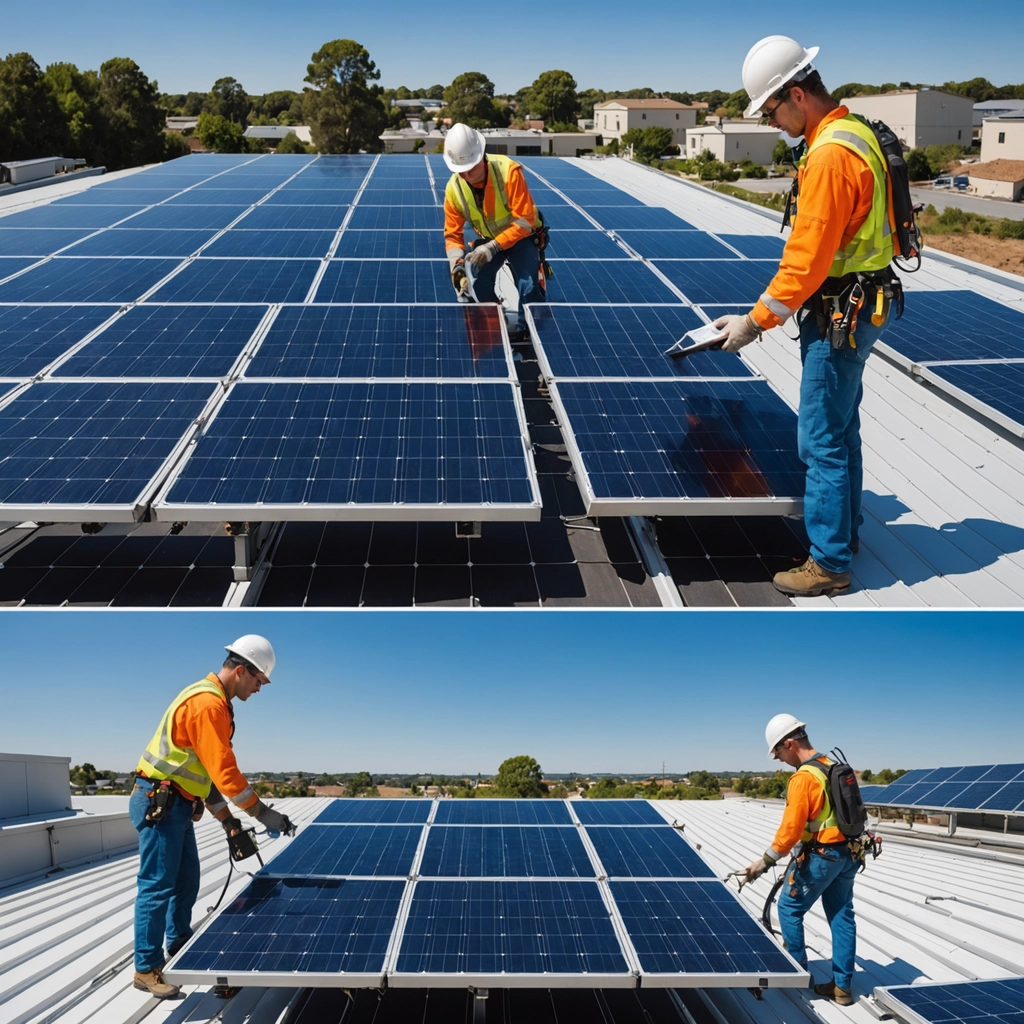
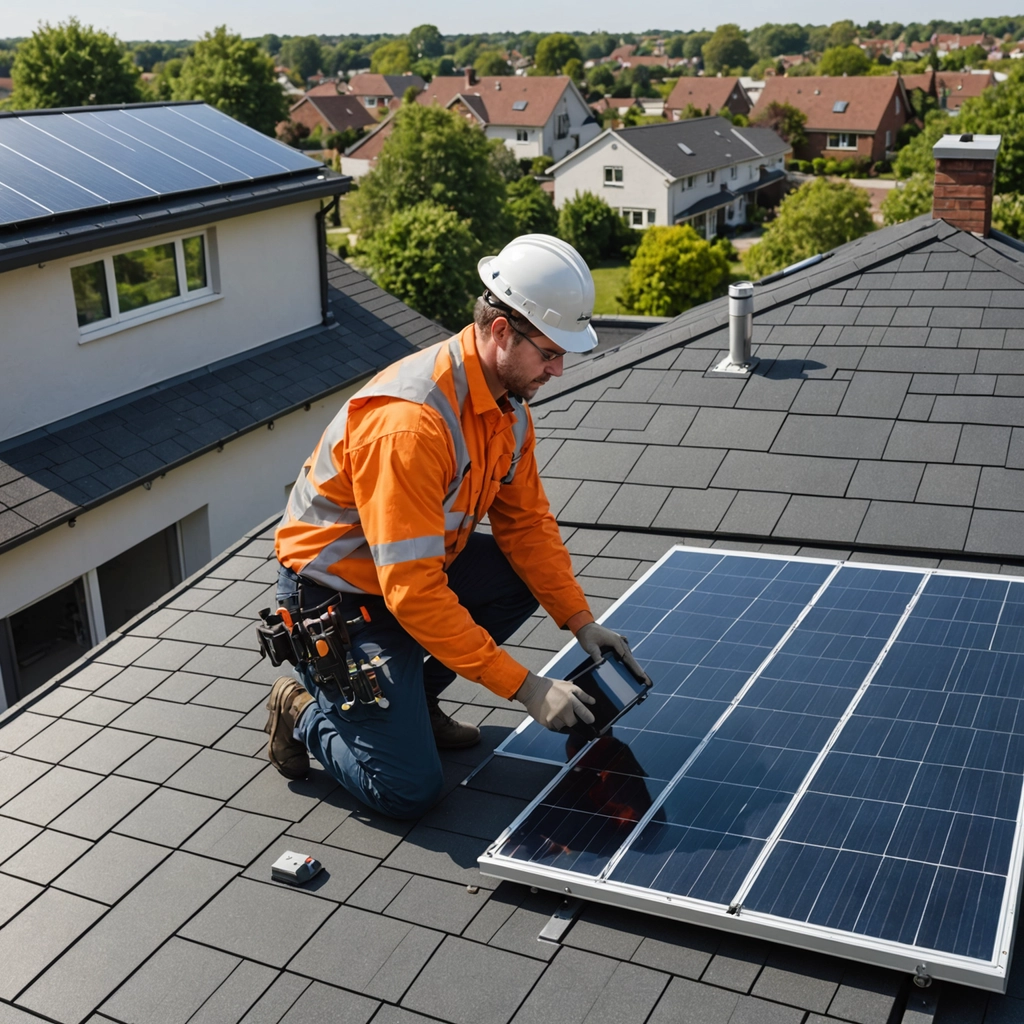
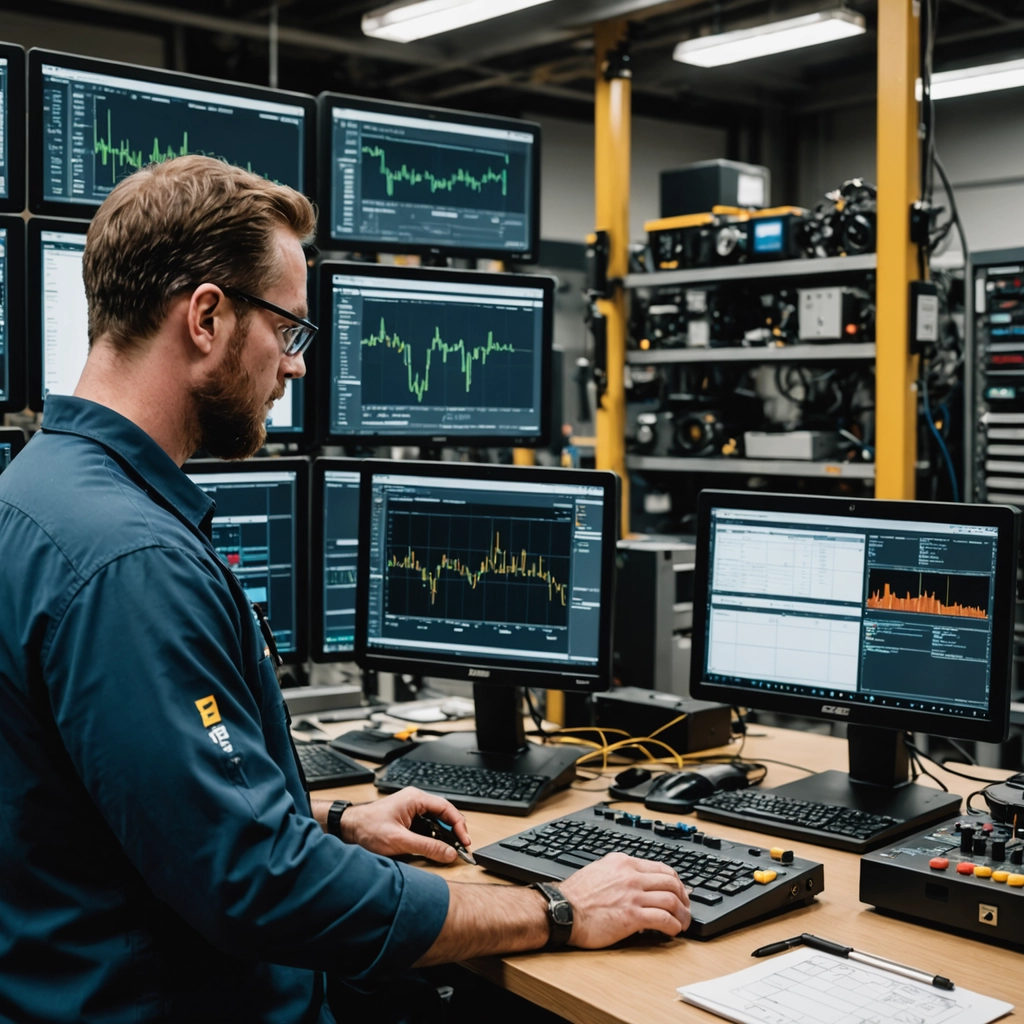
Evaluate your roof and energy needs with our basic assessment.
Extended Solar Evaluation / $19
Get a detailed analysis for optimal energy production tailored to you.
Panel Layout Plan / $19
Design your solar panel layout for maximum efficiency and output.
Installation Follow-Up / $19
Ensure proper installation and compliance with our follow-up service.
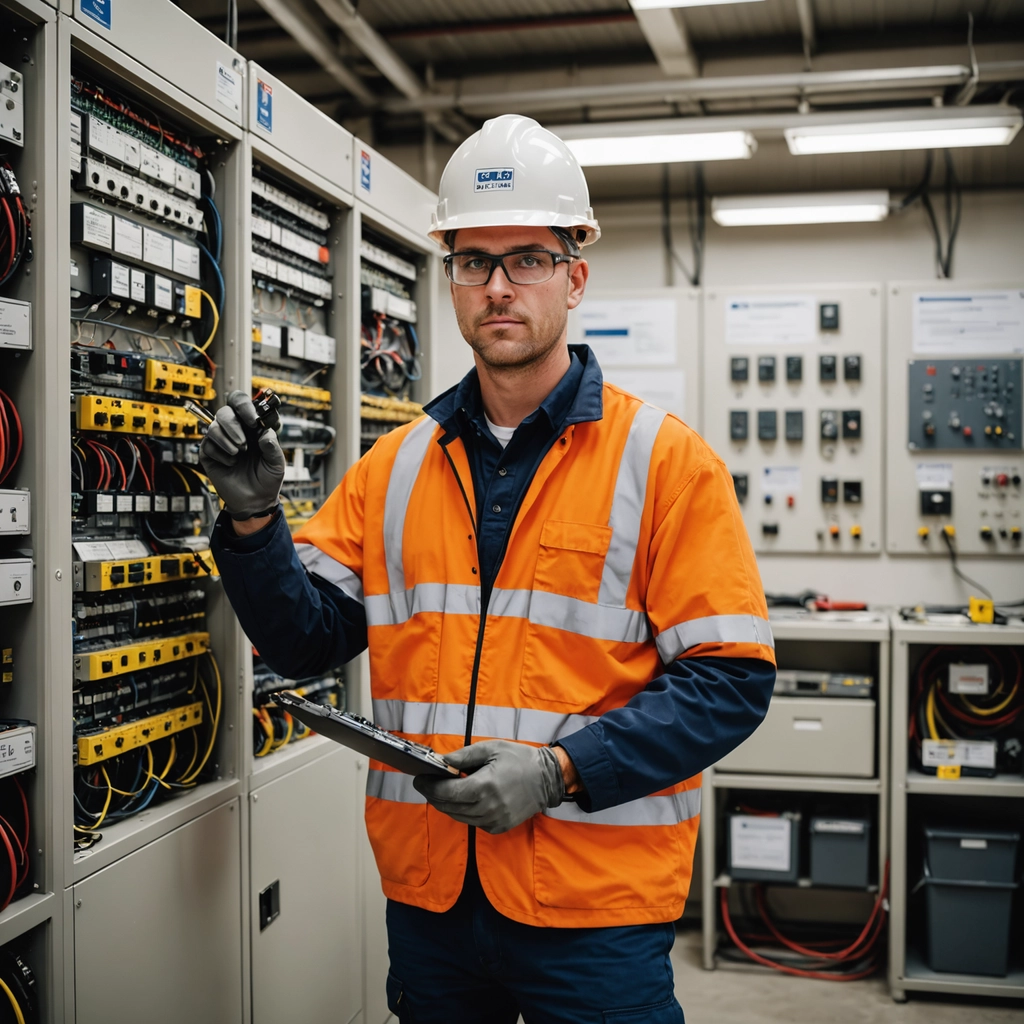
Safety Inspection / $19
Check your system's safety and efficiency with our expert inspection.
Energy Savings Review / $19
Understand your solar savings and benefits with our comprehensive review.
1️⃣ Solar Panel Installation Steps
Step 1: Site Assessment & Feasibility
A professional solar assessment evaluates roof condition, available space, shading, orientation, and local climate. This ensures your property is suitable for maximum solar energy production and long-term system stability.
Step 2: Roof Suitability & Structural Check
Installers inspect roof material, age, tilt, and load-bearing capacity. Reinforcements are recommended if needed to ensure safety and durability for 25+ years.
Step 3: Energy Consumption Analysis
Your electricity bills are analyzed to determine average monthly and annual energy usage. This data helps design a system that matches your real consumption and future needs.
Step 4: System Design & Sizing
Based on energy demand and site conditions, the optimal system size (kW) is calculated. This includes panel quantity, layout design, and expected energy output.
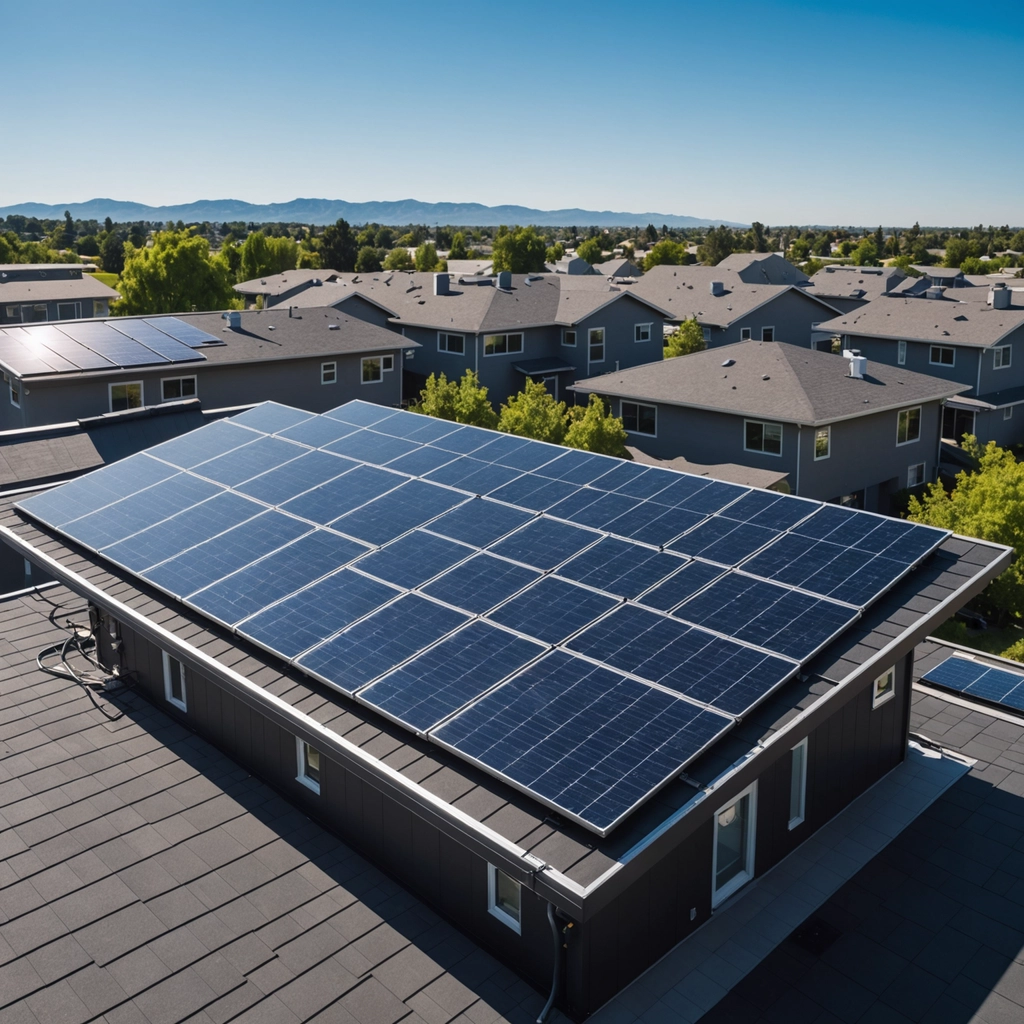
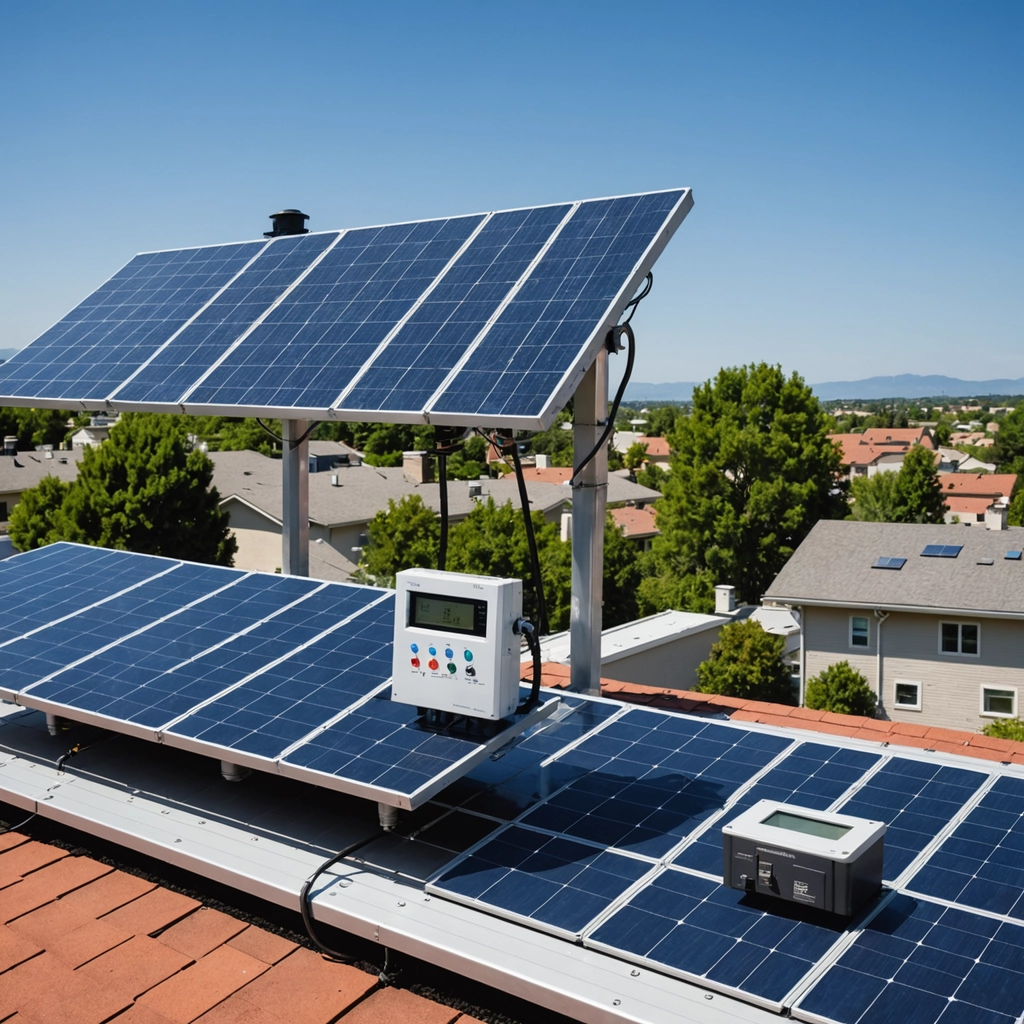
Step 5: Solar Panel Placement
Panels are strategically placed for maximum sun exposure, typically south-facing (or optimal regional direction), minimizing shading and improving efficiency.
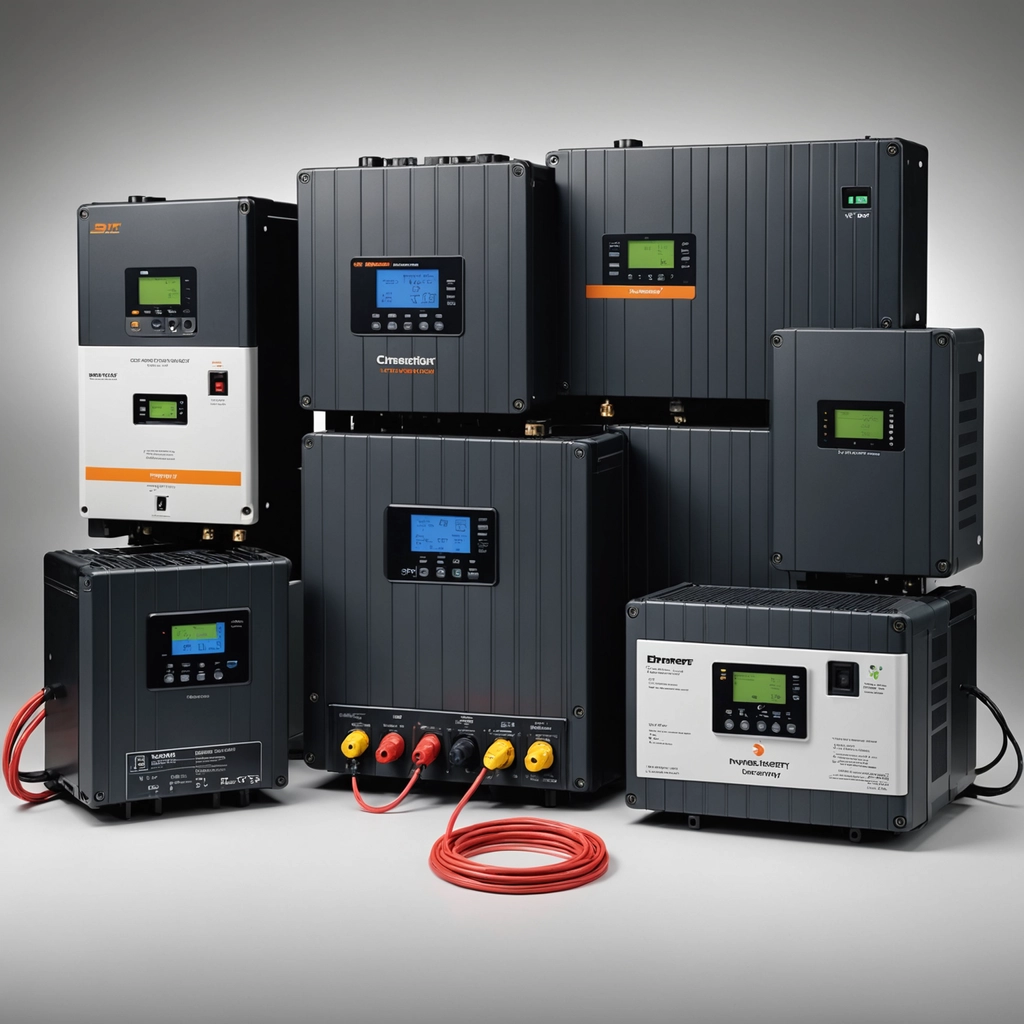
Step 6: Inverter Selection
The inverter converts DC electricity into usable AC power. Options include string inverters, microinverters, or hybrid inverters depending on system size and goals.
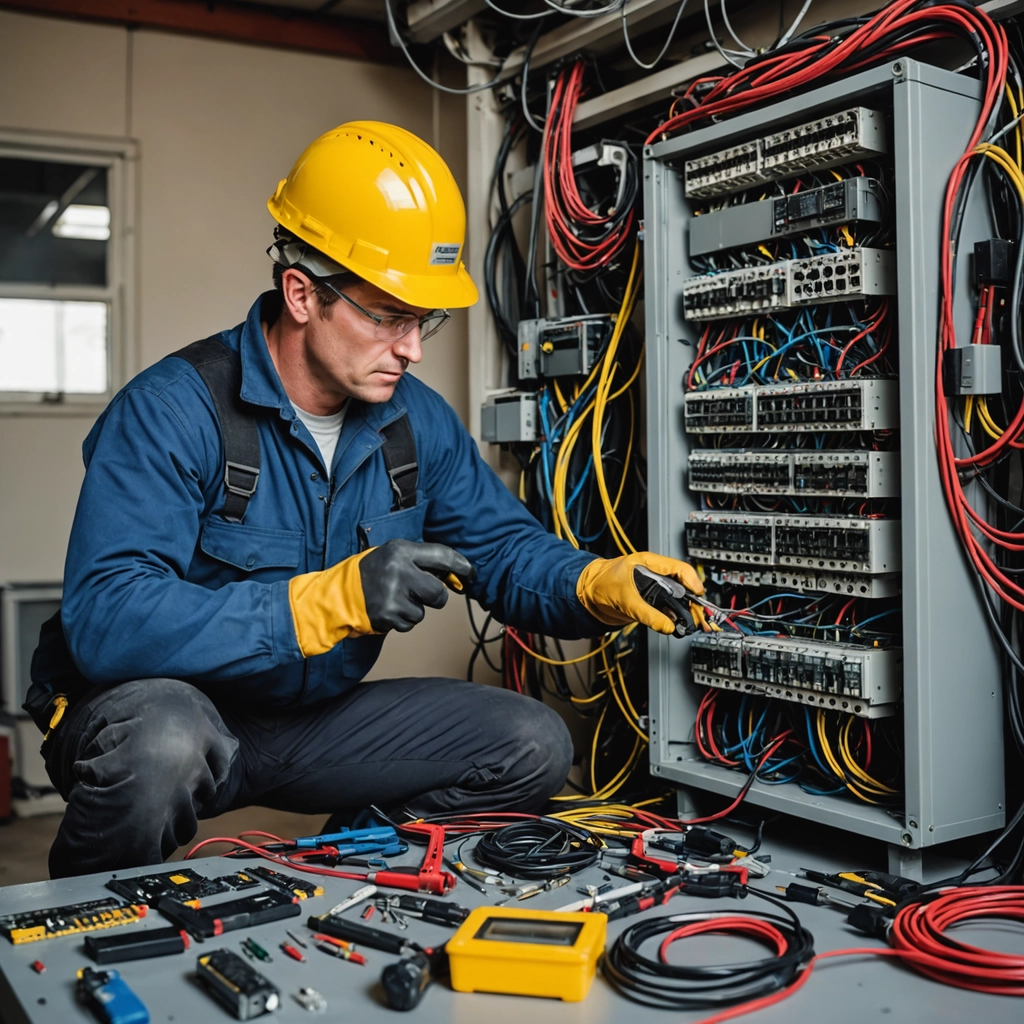
Step 7: Electrical Wiring & Connections
Certified electricians install wiring, junction boxes, and protection systems following international electrical and safety standards.
Step 8: Safety Standards & Compliance
All installations follow local regulations, grounding requirements, fire safety codes, and utility standards to ensure safe and reliable operation.
Step 9: Grid Connection & Net Metering
The system is connected to the utility grid, allowing excess energy to be exported and credited through net metering where applicable.
Step 10: Testing, Monitoring & Maintenance
After testing and commissioning, performance monitoring is activated. Routine cleaning and annual inspections ensure long-term efficiency.